

Excavation is a critical primary step in the building process, preparing the groundwork for everything that follows. In Ontario, excavation professionals play a vital role in turning earth into development. From home builds to business projects, the expertise of these professionals ensures that sites are readied properly and safely. With Excavation Companies as the frost line and the handling of dense soil, understanding the local environment is crucial for any successful excavation task.
Managing the complexities of excavation in Ontario requires not only understanding of the land but also adherence to codes and security protocols. Contractors must be knowledgeable in all aspects from Ontario One Call services that protect subsurface utilities to excavation safety guidelines outlined by the government. Whether it's getting ready a plot for a new home, overseeing a drainage solution for farmland, or executing an urban excavation in tight spaces, the expertise and efficiency of excavation contractors are central to advancing Ontario's development goals.
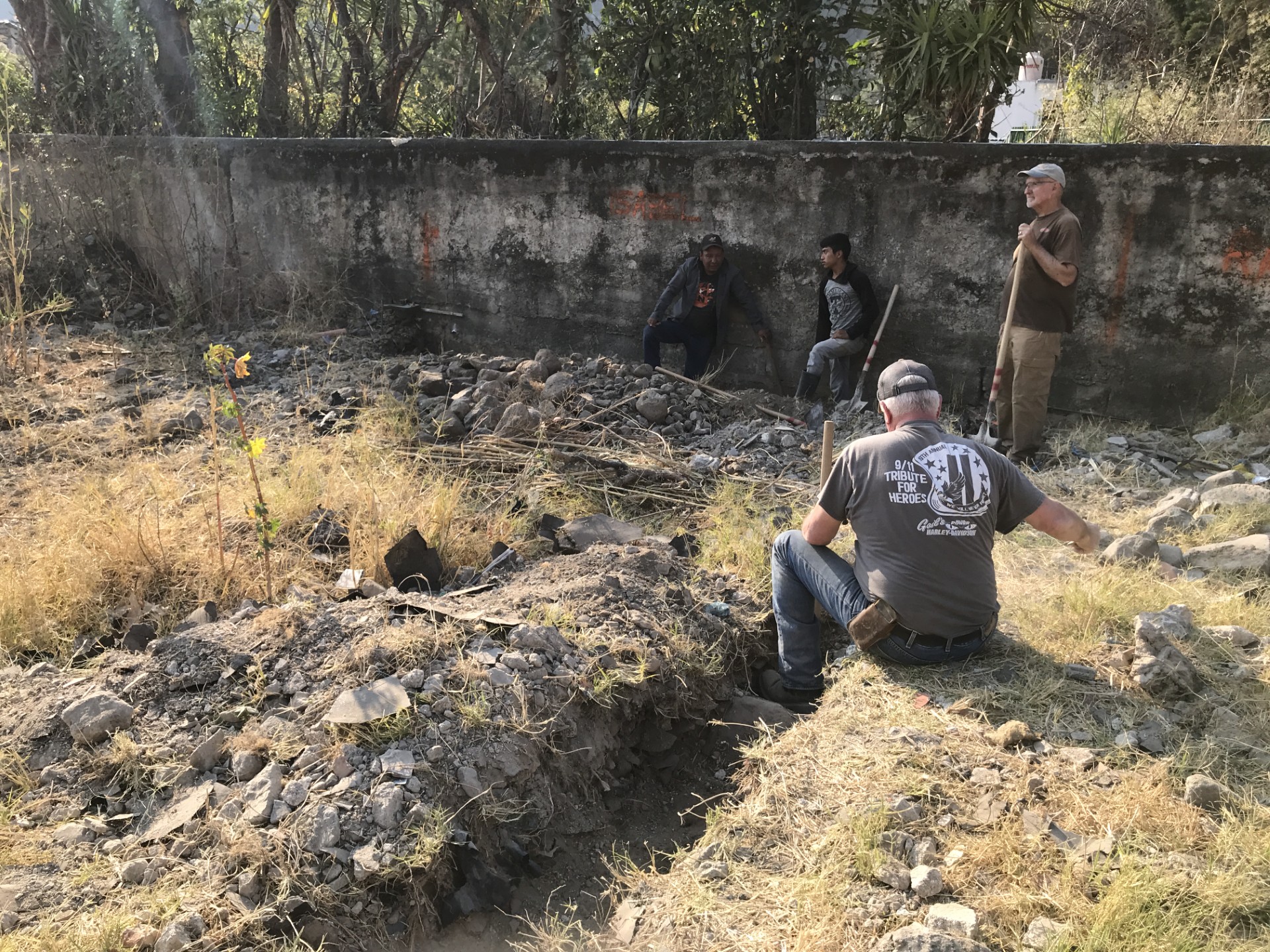
Excavation Essentials in Canada's Ontario
Excavation is a crucial initial step in any building project in Canada’s Ontario, whether it be home, commercial, or rural. Understanding the frost line depth is particularly important, as it influences the stability of foundations. The climate leads to significant ground freezing in the cold months, necessitating correct foundation excavation techniques to guarantee that structures stay stable throughout the seasons. Contractors need to consult the Complete Guide to Ontario Frost Line Depths and Foundation Excavation to make knowledgeable decisions and comply with local guidelines.
Another critical aspect of excavation in Canada’s Ontario is site readiness. Before starting any excavation work, having an Necessary Site Readiness Checklist for New Constructions ensures that all prerequisites are fulfilled. This includes checking for zoning requirements, obtaining required permits, and ensuring that sufficient safety measures are in effect. Commercial Excavation plays a key role in this process by helping excavators avoid damaging underground utilities, providing crucial information before excavation begins.
Safety regulations are also essential in excavation projects. The Ontario Ministry of Labour outlines particular regulations for safe trenching and shoring techniques, which must be followed in order to safeguard workers and prevent accidents. Understanding these regulations can be complex, but it is essential for maintaining a safe work environment. Appropriate training, equipment, and adherence to safety protocols not only protect personnel but also guarantee the project's effectiveness.
Safety and Guidelines in Excavation
When it comes to excavation work in the province of Ontario, safety is paramount. Excavation contractors must adhere to strict regulations set forth by the Ontario Ministry of Labour to guarantee the well-being and safety of their employees. This involves implementing proper trenching safety protocols and shoring methods to prevent collapses, which are among the primary reasons of excavation-related injuries. They are required to provide training to their workers and furnish them with the necessary safety equipment to reduce hazards associated with excavation sites.
Another essential aspect of excavation safety is compliance with local laws and regulations, including those pertaining to tree protection zones. Safeguarding these areas is important not only for conserving the environment but also to comply with municipal bylaws. Contractors in excavation must be knowledgeable about and secure the proper permits from local conservation authorities before undertaking projects that may impact natural habitats. This guarantees that the activities of excavation do not negatively affect community resources or lead to legal repercussions.
In addition to adhering to safety standards, contractors in Ontario must also concentrate on managing the conditions of soil and water, particularly in areas with a high water table. Techniques such as removing excess water and effective erosion control are vital for maintaining site integrity and preventing hazardous conditions. By following these rules and guidelines for safety, excavation contractors can enhance not only their safety but also the successful completion of building projects while reducing environmental effects.
Pricing and Ecological Considerations
The expenses associated with excavation projects in Ontario can vary significantly based on various factors such as site location, soil condition, and the scale of the project. Key factors that usually impact excavation costs across Southern Ontario include wage rates, machinery rental, and material transportation. Contractors must also factor in the expenses of ground preparation and complying with local regulations. A comprehensive understanding of these factors helps clients budget effectively while ensuring compliance with industry standards.
Environmental considerations play a critical role in excavation projects. Excavation contractors in Ontario must navigate various regulations regarding soil management, especially when dealing with surplus soil or polluted sites. Understanding Ontario’s Excess Soil Management Rules is important to avoid penalties and ensure proper disposal or reuse of soil. Additionally, practices like controlling erosion and sediment are important to minimize the impact on the environment of excavation projects, aligning with local environmental agency standards.
Incorporating sustainability in excavation is more than a regulatory requirement but also a market expectation. By focusing on environmentally friendly practices such as brownfield remediation and correct grading of lots, contractors can enhance the long-term sustainability of construction projects while contributing to the health of the community. Moreover, contractors should be prepared to address public concerns about noise pollution, dust, and pollution of water during excavation activities, thus building positive connections with local community members.